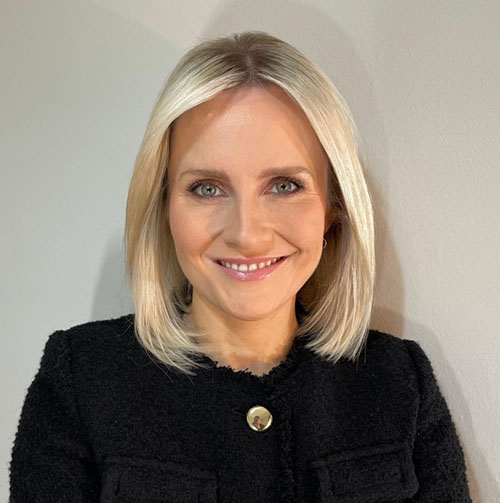
It’s a real privilege to serve as Northern Ireland Branch President this year, and one of my goals is to strengthen collaboration between general practice, community and hospital dentistry.
As a consultant in Special Care Dentistry, collaboration is fundamental to how we practice. Our patients are often medically complex, socially vulnerable, or both. We receive referrals from general dental practitioners and colleagues in community services, sometimes for advice and shared planning, sometimes to provide treatment in a secondary or tertiary care setting. Providing care involves working alongside anaesthetists, medical colleagues and wider multidisciplinary teams.
What makes this work possible is communication and teamwork. Many of our patients move between services depending on their needs. We may see them for a defined episode of care, but they remain under the ongoing care of their GDP or community dentist.
I often describe our service to patients as a ‘revolving door’: where we are part of a much wider system built around them. Having worked in general practice, the Community Dental Service, and now as a Consultant in Special Care Dentistry, I have been fortunate to see dentistry from several perspectives. Each sector plays a distinct role - but none works in isolation.
When relationships are strong, collaboration becomes seamless, ensuring the patient reaches the right service at the right time.
This underpins the theme I have chosen for the year: Collaborative Care in Dentistry -Bridging the Gap between Primary, Secondary and Tertiary Care. It reflects a simple but essential truth: dentistry - whether the delivery of safe effective care or the transformation of services - thrives on collaboration and mutual support.
If I worked elsewhere...
It could be easy to think that pressures might be less intense in another sector of dentistry. My experience has been the opposite. While the context varies, the underlying challenges are remarkably consistent.
Across all settings, we are managing increasing patient complexity, rising expectations, workforce constraints and financial pressures. The environments may differ, but the responsibility to provide safe, high-quality care within constrained systems is shared.
Working across sectors has reinforced for me how much we have in common. The issues that affect one part of the profession rarely exist in isolation; they reverberate across services. Recognising that shared reality fosters greater mutual understanding -and strengthens our ability to advocate collectively for sustainable solutions.
That collective voice matters. Whether engaging in workforce planning, responding to contractual reform or advocating for sustainable funding, we are stronger when we speak together. In Northern Ireland, the work of the British Dental Association continues to demonstrate the impact of clear and united representation, and effective advocacy depends on active engagement and strong membership.
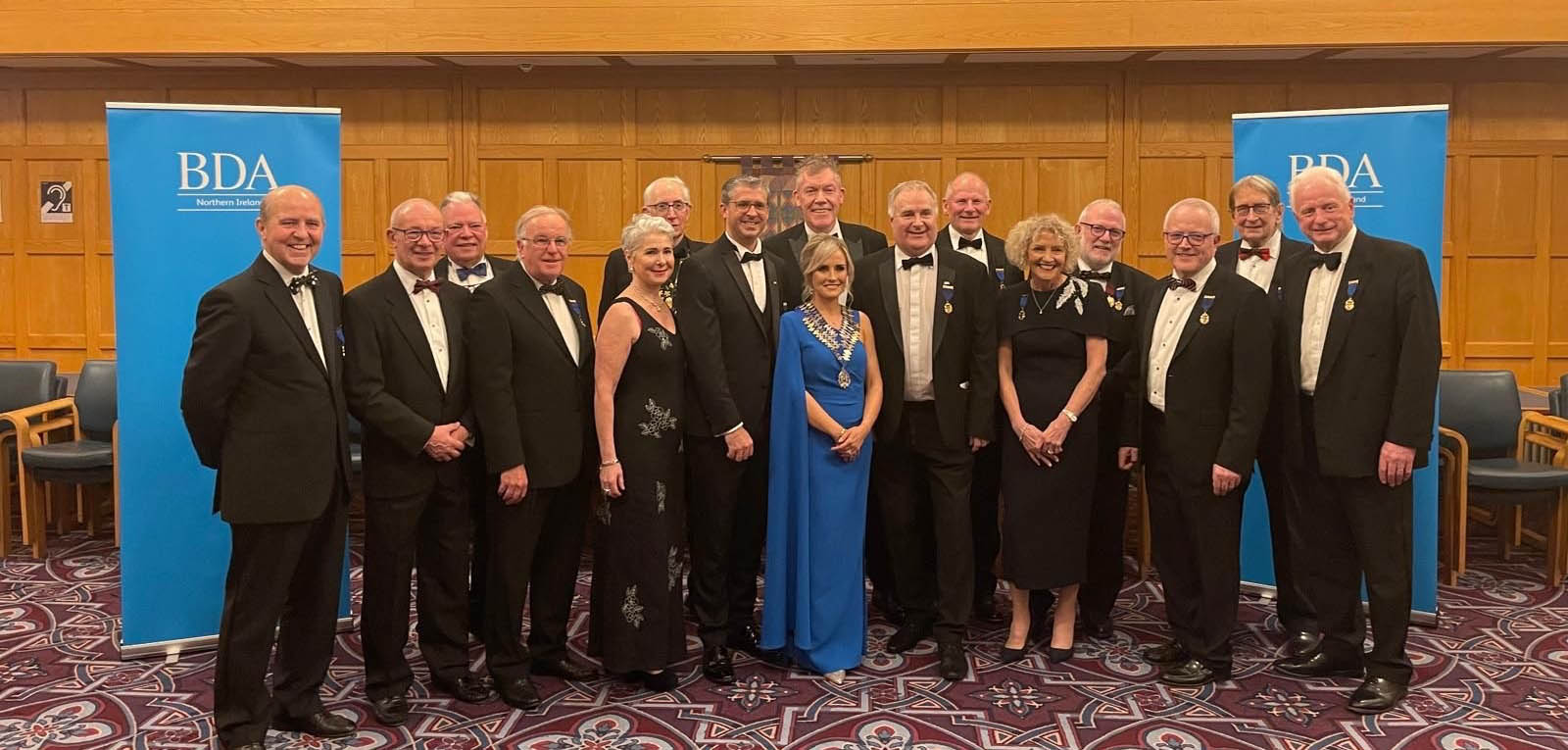
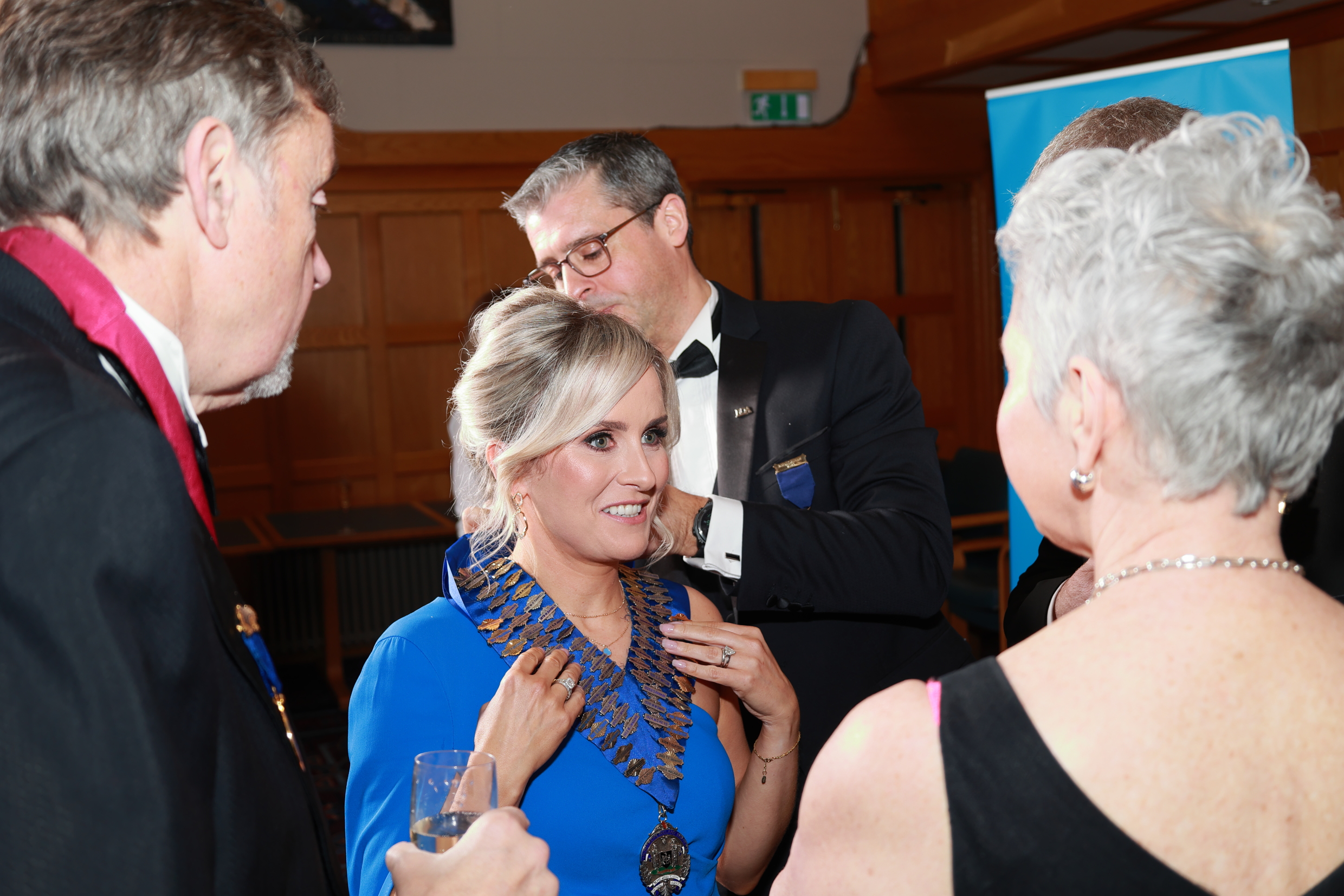
Kathryn McKenna presidential installation
The key to good collaborative dental care
In my experience, collaborative care rests on three principles: clarity of roles, open communication, and approachable leadership.
Every clinician - whether in general practice, community services or hospital care - has a defined and valuable role. Collaboration works best when those roles are understood and respected. That means knowing when to manage, when to seek advice, and when to refer - and feeling comfortable doing so.
Good communication softens hierarchy. Dentistry works best when colleagues feel able to contact one another directly, discuss uncertainties openly, and seek shared solutions without hesitation.
Just as importantly, we must avoid working in silos. No sector exists alone. An awareness of what others can provide - and the pressures they face - helps us guide patients more thoughtfully through their care journey.
How to strengthen our ties in 2026
The Branch programme this year has been developed with a clear objective: to bring colleagues together across all sectors of dentistry through learning and social events.
The scientific programme focuses on practical, clinically relevant topics - diagnosing with confidence, managing risk, treating increasingly complex patients and understanding referral pathways. Speakers from a range of professional backgrounds will provide balanced perspectives applicable across all settings.
Branch events are intended to be a shared professional space - an opportunity for dentists from different sectors to learn together and understand each other’s roles. That shared learning strengthens professional relationships and promotes greater cohesion across services.
Encouraging students and younger colleagues to engage early with branch activity and membership is equally important, helping them appreciate from the outset the value of professional connection and representation.
Our social calendar remains an essential part of the branch year. These occasions strengthen the professional relationships and friendships that underpin effective collaboration and remind us that there is indeed company at the coalface.
My hope for this year is that, wherever you practice, you will see the branch as a place of connection. In a profession that can sometimes feel demanding, it is important that we create opportunities to come together - not only to learn, but to support one another and to celebrate what we do well.
Collaboration is more than a theme for the year; it is a reminder of what is possible when we work with openness, mutual respect and shared ambition. I look forward to welcoming colleagues from across all sectors throughout the year and to building, together, a confident and connected future for dentistry.