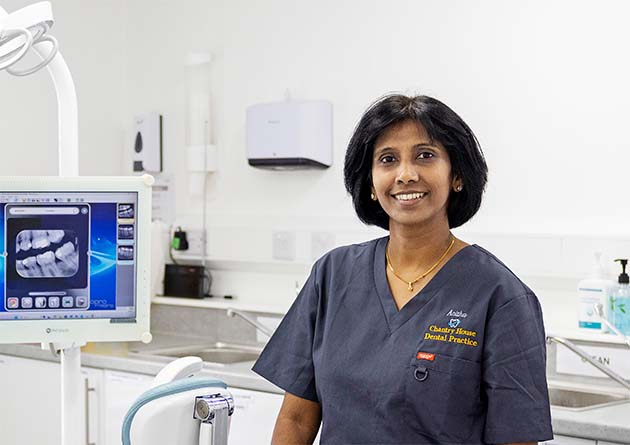

My professional journey has taken me from qualifying as a dentist in Russia in 2003, to gaining clinical experience in Switzerland, and ultimately establishing my career in the United Kingdom. Each healthcare system presented its own structures, expectations, and cultural nuances, all of which shaped the clinician I am today. Many overseas dentists considering a move to the UK will recognise similar challenges and opportunities as they navigate a new professional landscape.
Early career foundations
After qualifying in Russia, I relocated to Switzerland, where I learnt French and worked as a dental nurse and later, a dental hygienist. Clinically, the workflow and treatment approaches were familiar, but the need to communicate with patients in both French and English added a new dimension to my practice. This early exposure to multilingual communication later proved invaluable when transitioning to the UK.
My move to the UK began in 2005, during a period of international recruitment. I initially worked as a dental nurse, which offered a practical introduction to UK dentistry - its organisational structure, regulatory expectations, and the day-to-day dynamics of a private and mixed-practice environment.
For many overseas clinicians, beginning in a supportive role can be an effective way to build familiarity with UK clinical terminology, patient communication styles, and team-based workflows.
First impressions of UK dentistry
My initial experience of living and working in London was shaped by the city’s distinctly multicultural character. The openness and genuine interest that I think British people show towards my country and culture made my transition considerably smoother. Colleagues and patients alike were curious about my background and training, which created an environment where integrating into both daily life and professional practice felt natural and supported.
From a clinical perspective, my first impressions of UK dentistry were influenced by working in both mixed practices and fully private practices. Although patient care remains the central priority in every setting, the operational models differ markedly.
Mixed practices, shaped by NHS contractual obligations, often have different workflows, appointment structures, and managerial pressures compared with fully private practices, where clinical decision-making and time allocation are organised in a different way. These contrasting environments require clinicians to adapt quickly to varying expectations, communication styles, and performance indicators.
I also observed that dentists in the UK frequently balance multiple priorities. This can create strain within teams and occasionally lead to miscommunication, particularly for clinicians who are unfamiliar with the system. Many of these challenges become easier to navigate once you understand the underlying structures and pressures that shape UK dentistry.
The NHS contract and the system of Units of Dental Activity (UDAs), in particular, introduce a level of complexity that is not immediately intuitive to those coming from other healthcare models. They influence workflow, treatment planning, and practice management in ways that require time, patience, and a willingness to learn. Understanding how these mechanisms function is essential for integrating successfully into NHS practice and for working effectively within the broader UK dental landscape.
Adapting to clinical and regulatory expectations
Several practical differences also stood out. I had never used dental amalgam in Russia or Switzerland, so encountering it in the UK was unexpected. I also needed to familiarise myself with UK training requirements, particularly with some other dental professions that do not exist in other countries such as dental therapists or orthodontic therapists. Here, every member of the dental team must be competent in emergency protocols, be registered with the GDC and have dental insurance, as well as being compliant with CPD.
I also became aware of the more challenging complaints and litigation climate. Clinicians entering the profession today face a heightened exposure to medico-legal risk, such as complaints, and this is even more pronounced for dentists who qualified outside the UK. The combination of rising patient expectations and a more litigious healthcare environment means that dentists may be more likely to encounter complaints or legal challenges over the course of their working lives.
For overseas-qualified dentists, the risk is amplified by the need to adapt to unfamiliar regulatory frameworks, documentation standards, and communication norms, all of which can create vulnerabilities during the transition period. Developing strong habits in record-keeping, patient communication, and risk management from the outset is essential for navigating this landscape with confidence and reducing exposure to avoidable medico-legal difficulties.
Developing professional English
When I arrived in the UK, my conversational English was strong, but my professional English required development. Although I understood dentistry, I did not yet know the UK-specific terminology, instrument names, or common abbreviations. I still remember learning that “BT” meant “broken tooth” or "F/O" - filling out.
Exams and continued professional development
To practise as a dentist, I completed what is now known as the Overseas Registration Exam (ORE). My cohort included colleagues from India, Pakistan, Latin America and other countries. Preparing for the exam required discipline, structured study, and a clear understanding of the assessment format - something that remains true for overseas dentists today.
After spending some time back in Switzerland, I passed the ORE as a dentist in the UK in 2015. I am now completing a Master’s degree in restorative dentistry, a field that offers breadth, versatility, and significant opportunities for professional growth. The UK provides a wide range of postgraduate training pathways, and exploring these options can be instrumental in shaping a long-term career.
Guidance for dentists considering a move to the UK
For clinicians planning to relocate to the UK, it is important to prepare for the time and commitment required to pass exams and establish yourself professionally. Competition is high, and many dentists hold postgraduate qualifications. A willingness to learn, study, and invest in your development is essential.
Familiarity with UK workplace culture, regulatory expectations, NHS structures, and professional standards will make the transition smoother. Building this understanding early - whether through supportive roles, observation, or structured preparation - can significantly improve your experience.